
Understanding and Addressing the Crisis of Student Suicides in Kota: A Comprehensive Examination
the-crisis-of-student-suicides-in-kota
Introduction (Understanding and Addressing the Crisis of Student Suicides in Kota: A Comprehensive Examination)
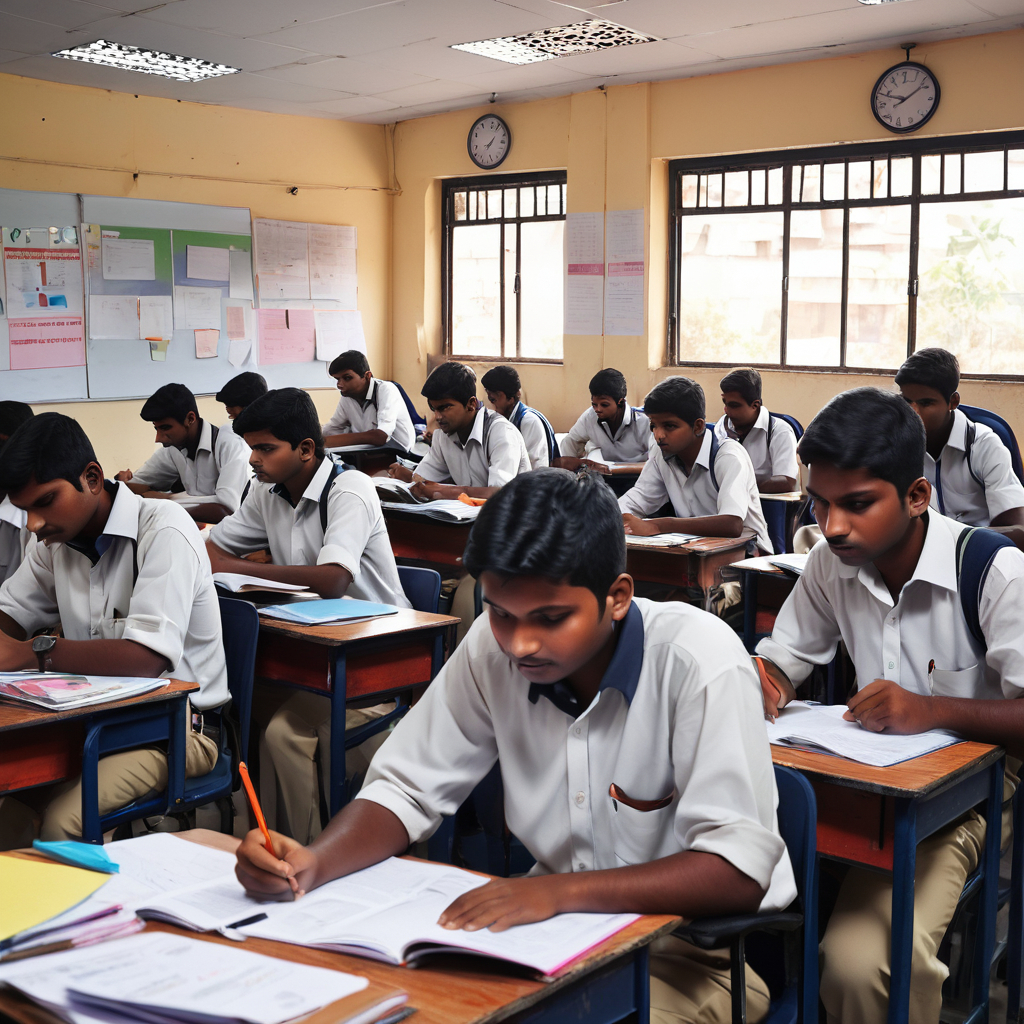
Kota, a city in Rajasthan, India, has earned a reputation as a hub for coaching centers that prepare students for some of the country’s toughest competitive exams. Known for its rigorous training and high success rates, Kota attracts thousands of students annually who aspire to secure spots in prestigious institutions like the Indian Institutes of Technology (IITs) and medical colleges. However, beneath the veneer of academic success and achievement, Kota has faced a troubling and heart-wrenching crisis: a rising number of student suicides.
This blog post delves into the multifaceted issue of student suicides in Kota, exploring the underlying causes, the impact on students and families, and potential solutions to address this crisis. By understanding these factors comprehensively, we hope to foster a more supportive and balanced educational environment.
The coaching industry in Kota has been scrutinized in relation to student suicides, but it’s important to understand that the causes of student suicides are complex and multifaceted. While the coaching industry can contribute to stress and pressure on students, it is not solely responsible for student suicides.
Factors contributing to student suicides involve societal pressures, family expectations, personal circumstances, mental health issues, and the competitive environment fostered by the coaching industry. The industry itself has taken steps to address these concerns, such as providing counselling services, promoting mental health awareness, and offering support systems for students.
However, there is a shared responsibility among various stakeholders—coaching institutes, parents, educators, and society as a whole—to create a supportive and balanced environment for students. This includes promoting a healthier approach to education, prioritizing mental well-being, and ensuring students have access to resources and support when needed.
Efforts are ongoing to mitigate the negative impacts of intense academic pressure and to foster a more holistic approach to education that values both academic achievement and emotional well-being.
The Pressure Cooker Environment of Kota
Kota’s coaching centers are renowned for their intense and demanding training programs. These institutions are designed to prepare students for the highly competitive entrance exams that determine their future academic and professional careers. The allure of success and the promise of high scores drive students to enroll in these programs, often at great personal and financial cost.
-
High Expectations and Competition
The competition in Kota is fierce. Students are pitted against one another in a high-stakes environment where success is seen as the only acceptable outcome. The pressure to perform well is immense, coming not only from peers but also from parents and society. This competitive atmosphere can create a sense of constant anxiety and stress, contributing to mental health challenges.
-
Long Hours and Rigorous Schedules
To keep up with the demands of their coaching programs, students often work long hours, sometimes studying for 12 to 16 hours a day. The rigorous schedules leave little time for relaxation, hobbies, or social interaction. The lack of balance between academic work and personal life can lead to physical and mental exhaustion, making students more vulnerable to stress-related issues.
-
Expectations from Parents and Society
In many cases, the pressure to succeed is not only self-imposed but also stems from familial and societal expectations. Parents often have high hopes for their children’s academic success, and these expectations can amplify the stress that students feel. The societal emphasis on securing top ranks and entering prestigious institutions adds to this pressure.
The Impact of Mental Health
Mental health is a critical aspect of overall well-being, yet it is often overlooked in the context of academic pressure. In Kota, the mental health of students is significantly impacted by the intense academic environment.
-
Emotional and Psychological Stress
The high-pressure environment in Kota can lead to emotional and psychological stress. Students may experience feelings of inadequacy, fear of failure, and overwhelming anxiety. For some, these feelings can escalate into more severe mental health issues, including depression and suicidal ideation.
-
Lack of Support Systems
Adequate emotional and psychological support is crucial for managing stress and mental health challenges. Unfortunately, many students in Kota may lack access to proper mental health resources. The focus on academic achievement often leaves little room for addressing emotional well-being, leaving students to navigate their struggles without sufficient support.
-
Stigma Around Mental Health
There is a significant stigma surrounding mental health issues, particularly in academic settings. Students may be reluctant to seek help due to fear of being judged or perceived as weak. This stigma can prevent them from accessing the support they need, exacerbating their mental health issues.
Case Studies and Real-Life Stories
To provide a more personal perspective on this issue, let’s look at some real-life stories and case studies of students who have tragically taken their own lives in Kota. These stories highlight the human cost of the academic pressure and serve as a poignant reminder of the need for change.
-
Case Study 1: The Story of Riya (the-crisis-of-student-suicides-in-kota)
Riya, a bright and ambitious student, moved to Kota to prepare for the IIT-JEE exams. Despite her hard work and dedication, she struggled to cope with the intense pressure and long hours. Feeling overwhelmed and isolated, Riya’s mental health deteriorated, and she ultimately took her own life. Her story underscores the need for better mental health support and a more balanced approach to education.
-
Case Study 2: The Experience of Rajesh
Rajesh, a student from a modest background, faced immense pressure to succeed and secure a place in a top engineering college. The financial investment made by his family and the high expectations placed on him added to his stress. Rajesh’s inability to meet these expectations and the lack of emotional support led him to a tragic end. His case highlights the impact of external pressures and the importance of addressing students’ emotional needs.
Potential Solutions and Strategies
(the-crisis-of-student-suicides-in-kota)
Addressing the crisis of student suicides in Kota requires a multifaceted approach that involves changes at both the individual and institutional levels. Here are some potential solutions and strategies to create a more supportive and balanced educational environment:
-
Promoting Mental Health Awareness
Increasing awareness about mental health and its importance is crucial. Educational institutions and coaching centres should implement programs to educate students, teachers, and parents about mental health issues and the available support resources. Creating an environment where mental health is openly discussed can help reduce stigma and encourage students to seek help when needed.
-
Providing Adequate Support Systems
Coaching centres and educational institutions should offer counselling services and support systems to help students manage stress and emotional challenges. Access to professional counsellors, psychologists, and support groups can provide students with the tools and resources they need to cope with academic pressure.
-
Encouraging a Balanced Approach to Education
It is essential to promote a balanced approach to education that prioritizes students’ well-being alongside academic success. This includes encouraging students to engage in extracurricular activities, hobbies, and social interactions that can provide a sense of fulfilment and relaxation. Educational institutions should also consider implementing policies that prevent overloading students with excessive study hours.
-
Involving Parents and Guardians
Parents play a crucial role in shaping their children’s educational experiences. Educating parents about the impact of excessive pressure and the importance of supporting their children’s mental health can help create a more nurturing environment. Regular communication between parents, students, and educational institutions can ensure that students receive the support they need.
-
Fostering a Supportive Community
Building a supportive community within coaching centers and educational institutions can help students feel less isolated. Encouraging peer support, mentorship programs, and creating spaces where students can openly share their experiences can foster a sense of belonging and reduce feelings of loneliness.
Conclusion
The crisis of student suicides in Kota is a deeply troubling issue that highlights the urgent need for change in the educational environment. By understanding the underlying causes and addressing the impact of academic pressure on mental health, we can work towards creating a more supportive and balanced approach to education.
It is crucial for educational institutions, parents, and society at large to recognize the signs of mental distress and provide the necessary support to students. Promoting mental health awareness, offering adequate support systems, encouraging a balanced approach to education, and involving parents in the process are essential steps towards preventing further tragedies.
Ultimately, the goal should be to create an environment where students can pursue their academic dreams without compromising their mental health and well-being. By working together and implementing these strategies, we can help ensure that Kota’s reputation as an academic hub is matched by a commitment to the holistic well-being of its students.
References
- [Relevant Research Articles and Studies]
- [Mental Health Organizations and Resources]
- [Educational Policies and Guidelines]
-
Follow us on Instagram

OUR YOUTUBE CHANNEL

 tags
tags