
Title: How Does a Nuclear Power Plant Work? A Complete Guide
How Does a Nuclear Power Plant Work?
Introduction
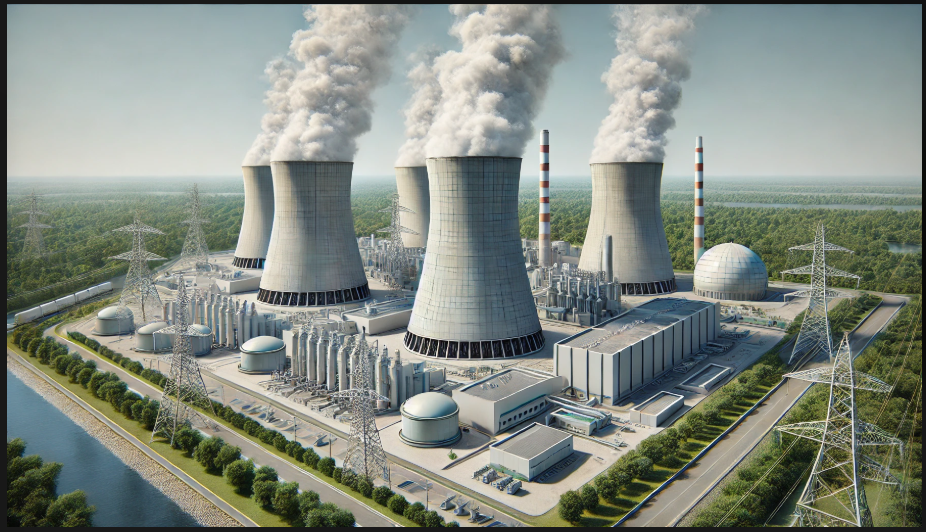
A nuclear power plant is a facility that uses nuclear reactions to generate electricity. The fundamental principle behind its operation is nuclear fission, where the nucleus of an atom splits into smaller parts, releasing an enormous amount of energy. This energy is harnessed to produce steam, which drives turbines connected to generators that produce electricity. This report delves into the workings of a nuclear power plant, its components, advantages, dangers, and the step-by-step process involved in energy generation.
<iframe width=”560″ height=”315″ src=”https://www.youtube.com/embed/-ikHvgh_e9c?si=ZQYzCkmU81Zj2Hed&start=2″ title=”YouTube video player” frameborder=”0″ allow=”accelerometer; autoplay; clipboard-write; encrypted-media; gyroscope; picture-in-picture; web-share” referrerpolicy=”strict-origin-when-cross-origin” allowfullscreen></iframe>
watch on video
Principles of Nuclear Power Generation
- Nuclear Fission
Nuclear power plants operate using nuclear fission, a process in which the nucleus of a heavy atom, such as uranium-235 or plutonium-239, splits into two smaller nuclei when struck by a neutron. This reaction releases a significant amount of heat energy and additional neutrons, which propagate further fission reactions in a chain reaction. The controlled release of this energy is used to generate electricity.
- Chain Reaction and Control
For a nuclear reactor to function safely and efficiently, the chain reaction must be carefully controlled. Control rods, usually made of materials like boron or cadmium, absorb excess neutrons to prevent the reaction from becoming uncontrollable, which could lead to a meltdown.
Key Components of a Nuclear Power Plant
- Reactor Core
The reactor core is the heart of a nuclear power plant. It houses the nuclear fuel, usually in the form of uranium or plutonium rods, where the fission reaction occurs. The core is designed to withstand high temperatures and radiation levels and is surrounded by a protective structure to contain radiation.
- Control Rods
Control rods are critical for regulating the fission reaction. Made of neutron-absorbing materials like boron or cadmium, they can be inserted or withdrawn from the reactor core to slow down or speed up the nuclear reaction. By controlling the number of neutrons available for fission, they help maintain the reactor’s stability and prevent overheating.
- Moderator
The moderator is responsible for slowing down the neutrons produced during fission to sustain a controlled chain reaction. Common moderators include heavy water, graphite, or light water. The moderator plays a crucial role in ensuring that neutrons remain at an energy level that facilitates continuous fission reactions within the core.
- Coolant
Coolant is essential for transferring heat away from the reactor core. It circulates through the reactor, absorbing heat from the fission reaction and preventing the reactor from overheating. Common coolants include water, carbon dioxide, and liquid sodium. In some reactor designs, the coolant also acts as a moderator.
- Steam Generator
In pressurized water reactors (PWRs), the coolant transfers heat to a secondary loop containing water, which turns into steam. This steam is then used to drive turbines. The steam generator serves as an intermediary, ensuring that radioactive coolant does not come into direct contact with the turbine system.
- Turbine
The steam produced from the heat exchanger is directed at high pressure onto a turbine, causing it to spin. The turbine is connected to a generator, converting mechanical energy into electrical energy. The efficiency of the turbine directly affects the overall energy output of the plant.
- Generator
The generator converts mechanical energy from the turbine into electricity through electromagnetic induction. This is the final stage of power generation, where the kinetic energy of the turbine is transformed into usable electrical energy for distribution.
- Condenser
After passing through the turbine, the steam is cooled and condensed back into liquid water in the condenser. The water is then recirculated back to the steam generator. The condenser plays a key role in maintaining system efficiency by ensuring the continuous conversion of steam into liquid for reuse.
- Cooling System
The cooling system is responsible for dissipating excess heat. It typically involves cooling towers or external water sources such as rivers or oceans to release the absorbed heat. Proper cooling ensures that the reactor remains at a stable temperature and prevents overheating-related accidents.
- Containment Structure
The containment structure is a robust, reinforced concrete enclosure designed to contain any radiation leaks and provide protection in case of an accident. It is built to withstand extreme conditions such as earthquakes, explosions, and external impacts to prevent the release of radioactive materials into the environment.
Step-by-Step Process of Electricity Generation in a Nuclear Power Plant
- Nuclear Fission Occurs:
Inside the reactor core, nuclear fission of uranium-235 or plutonium-239 takes place.
This process occurs when a neutron collides with a uranium or plutonium atom, splitting it into smaller nuclei.
The splitting releases an enormous amount of heat energy and additional neutrons, which continue the chain reaction.
Control rods made of neutron-absorbing materials like boron or cadmium regulate the reaction by absorbing excess neutrons.
- Heat Transfer to Coolant:
The heat generated in the reactor core is transferred to a coolant, typically water or liquid sodium.
This coolant absorbs the heat and circulates through the reactor, preventing the core from overheating.
In a Pressurized Water Reactor (PWR), the coolant is kept under high pressure to prevent it from boiling.
- Steam Generation:
The hot coolant then flows through a heat exchanger or steam generator.
Here, it transfers heat to a secondary water loop, which boils the water into steam.
This process ensures that radioactive materials remain confined to the reactor and do not contaminate the steam.
- Turbine Activation:
The high-pressure steam is directed onto turbine blades, causing them to spin rapidly.
The kinetic energy from the steam is converted into mechanical energy as the turbine rotates.
The speed and force of the turbine rotation determine the efficiency of power generation.
- Electricity Production:
The spinning turbine is connected to a generator, a device that converts mechanical energy into electrical energy.
The generator operates on the principle of electromagnetic induction, where a rotating magnetic field inside the generator produces an electric current.
The electricity generated is then transferred to the power grid for distribution.
- Steam Condensation:
After passing through the turbine, the steam enters a condenser, where it is cooled down.
The condenser typically uses cold water from an external source (such as a river, lake, or cooling tower) to condense the steam back into liquid water.
This step ensures that water is recycled and can be reused in the system.
- Cooling Process:
The excess heat removed from the condenser must be dissipated safely.
In many nuclear plants, cooling towers release the heat as water vapor into the atmosphere.
Alternatively, the heat is discharged into a large water body, such as an ocean or river, through a controlled system.
- Continuous Cycle:
The condensed water is then pumped back into the steam generator, where it is reheated and converted into steam again.
This process repeats continuously, ensuring a steady supply of electricity.
This nuclear power cycle ensures a safe and efficient way to generate electricity, producing low carbon emissions while providing a reliable energy source.
Advantages of Nuclear Power Plants
- High Energy Output: A small amount of nuclear fuel can produce a large amount of energy compared to fossil fuels.
- Low Greenhouse Gas Emissions: Unlike coal or natural gas plants, nuclear power plants do not emit carbon dioxide during operation.
- Reliable Power Supply: Nuclear plants can operate continuously for months without interruption.
- Efficient Land Use: Requires significantly less land compared to solar or wind power farms.
- Long Fuel Life: Nuclear fuel lasts much longer than fossil fuels, reducing the frequency of refueling.
Dangers and Risks Associated with Nuclear Power Plants
- Radiation Hazard
One of the most significant risks of nuclear power plants is radiation exposure. Accidents like Chernobyl (1986) and Fukushima (2011) have demonstrated the catastrophic effects of radiation leaks.
- Nuclear Waste Disposal
Spent nuclear fuel remains radioactive for thousands of years and requires secure disposal methods, often stored in deep geological repositories.
- Risk of Meltdown
If cooling systems fail, the reactor core can overheat, leading to a meltdown, where radioactive materials can be released into the environment.
- Potential for Nuclear Proliferation
Plutonium generated in nuclear reactors can be used for the production of nuclear weapons, raising security concerns.
- High Initial Costs
Building a nuclear power plant requires substantial investment and stringent regulatory approval, making it a costly venture.
- Environmental Impact
While nuclear power does not produce greenhouse gases, mining and refining uranium fuel and the construction of power plants contribute to environmental degradation.
Safety Measures in Nuclear Power Plants
Here is a detailed explanation of the safety measures in a nuclear power plant:
- Multiple Barriers: Layers of Containment Structures Prevent Radiation Leaks
Nuclear power plants are designed with multiple layers of protection to prevent radiation from escaping into the environment. These layers include:
- Fuel Cladding: The first barrier consists of a zirconium alloy casing around the nuclear fuel pellets, preventing radioactive material from escaping.
- Reactor Pressure Vessel: A thick steel vessel that contains the nuclear reactor, designed to withstand high pressure and temperature.
- Primary Containment Structure: A reinforced concrete and steel dome that surrounds the reactor core, preventing any leaks in case of an accident.
- Secondary Containment: An additional airtight building around the reactor, ensuring that even in the worst-case scenario, radiation does not escape into the atmosphere.
These multiple barriers provide redundancy, meaning even if one layer fails, others will continue to protect against radiation exposure.
- Automatic Shutdown Systems: Fail-Safe Mechanisms for Emergencies
Nuclear reactors have built-in safety mechanisms that automatically shut down the reactor in case of an emergency.
Some of these fail-safe mechanisms include:
Control Rods Insertion: Control rods made of boron or cadmium absorb excess neutrons. In case of an emergency, they are immediately inserted into the reactor core, stopping the fission reaction within seconds.
SCRAM (Safety Control Rod Axe Man) System: A rapid emergency shutdown system that instantly stops the nuclear reaction by dropping all control rods into the core.
Reactor Trip System (RTS): Monitors the reactor’s temperature, pressure, and radiation levels. If any values exceed the safety limit, it automatically triggers a shutdown.
These automatic systems ensure that if something goes wrong, the reactor can be quickly and safely shut down to prevent disasters.
- Emergency Cooling Systems: Keeping the Reactor Core Cool During Power Failures
One of the biggest risks in a nuclear plant is a meltdown, which happens if the reactor core overheats due to a failure in the cooling system. To prevent this, power plants have Emergency Core Cooling Systems (ECCS) that activate when needed. These include:
Passive Cooling Systems: Some reactors use gravity-fed water tanks that automatically release water to cool the core without requiring external power.
Diesel Generator Backup: If the main power supply fails, diesel generators kick in to keep coolant pumps running.
Natural Circulation Cooling: Some advanced reactors use a design where the heat naturally rises and drives coolant circulation, even without pumps.
Containment Spray System: Releases cooling water as a fine mist inside the containment building, reducing heat and pressure.
- These emergency cooling measures ensure that the reactor remains safe and stable, even in cases of blackouts, earthquakes, or system failures.
- Regular Safety Drills: Operator Training for Emergency Response
Nuclear power plant staff undergo rigorous training to handle emergency situations. Regular safety drills and simulations help operators prepare for:
Radiation Leaks: Training on how to contain radiation exposure and evacuate areas if necessary.
Core Meltdown Prevention: Operators practice scenarios where the cooling system fails and learn how to restore it before a meltdown occurs.
Fire or Explosions: Fire response drills ensure quick containment of any unexpected fire in the facility.
Earthquake and Tsunami Preparedness: Plants in earthquake-prone areas have drills on how to respond to natural disasters, especially after the 2011 Fukushima disaster in Japan.
These drills help maintain high safety standards and ensure that workers react quickly and efficiently in real emergencies.
- International Regulations: Global Safety Standards Monitored by the IAEA
The International Atomic Energy Agency (IAEA) sets global safety regulations to ensure that nuclear power plants follow strict safety protocols.
Key responsibilities of the IAEA include:
Setting International Safety Guidelines: Recommending best practices for nuclear plant operation and maintenance.
Inspecting Nuclear Facilities: Conducting regular inspections to verify that nuclear plants comply with safety standards.
Monitoring Radiation Levels: Ensuring that nuclear plants do not release harmful radiation into the environment.
Disaster Management Coordination: In case of a nuclear accident, the IAEA provides international support and expertise to minimize damage.
Countries operating nuclear power plants must comply with IAEA regulations, ensuring a high level of safety, security, and environmental protection.
The Future of Nuclear Power
Introduction
Nuclear power has played a significant role in global energy production since the mid-20th century. It is a crucial component of the world’s energy mix, providing a reliable and low-carbon source of electricity. However, as concerns over climate change, energy security, and sustainability grow, the future of nuclear power is a subject of debate. While some view it as an essential solution to reducing carbon emissions, others raise concerns about safety, radioactive waste, and high costs. This report explores the future of nuclear power, including advancements in technology, environmental considerations, economic factors, and policy directions.
Advancements in Nuclear Technology
The future of nuclear power is heavily dependent on advancements in reactor design and fuel efficiency. Several emerging technologies are expected to revolutionize the industry:
- Small Modular Reactors (SMRs): These reactors are compact, scalable, and can be deployed in remote locations or integrated into existing grids. SMRs offer enhanced safety features, reduced construction time, and lower costs compared to traditional large reactors.
- Generation IV Reactors: These advanced reactors, currently in the research and development phase, promise increased efficiency, enhanced safety, and minimal waste production. Examples include molten salt reactors, gas-cooled reactors, and sodium-cooled fast reactors.
- Nuclear Fusion: Unlike traditional fission reactors, fusion reactors aim to replicate the process that powers the sun, offering nearly limitless energy with minimal radioactive waste. While still in the experimental stage, projects like ITER (International Thermonuclear Experimental Reactor) represent significant progress toward commercial fusion power.
- Advanced Fuel Cycles: Research into alternative nuclear fuels, such as thorium and recycled uranium, is gaining traction. Thorium-based reactors, for example, could provide a safer and more abundant fuel source than traditional uranium.
Environmental Considerations
One of the key arguments in favor of nuclear power is its low carbon footprint. Unlike fossil fuels, nuclear energy does not produce greenhouse gases during operation. However, there are environmental challenges associated with nuclear power:
- Radioactive Waste Management: Long-term storage and disposal of nuclear waste remain critical concerns. Advanced waste recycling techniques and deep geological repositories are potential solutions.
- Nuclear Accidents and Safety: Although modern reactors are designed with improved safety mechanisms, past incidents such as Chernobyl (1986) and Fukushima (2011) highlight the risks associated with nuclear power. The industry is focusing on passive safety systems to mitigate potential disasters.
- Water Usage: Nuclear plants require large amounts of water for cooling, which can impact local ecosystems. Future designs aim to reduce water dependency through air-cooled reactors and improved efficiency.
Economic Factors
The economic viability of nuclear power is a major consideration for its future growth. While nuclear plants have high initial capital costs, they offer long-term economic benefits due to low operational costs and stable electricity generation. Key economic factors include:
- Cost of Construction: Traditional nuclear reactors are expensive and time-consuming to build. SMRs and modular construction techniques are expected to reduce costs and improve feasibility.
- Competition with Renewable Energy: The rapid decline in the cost of solar and wind power presents a challenge for nuclear energy. However, nuclear power provides consistent baseload electricity, which is crucial for grid stability.
- Government Subsidies and Policy Support: Many countries are investing in nuclear power through subsidies, loan guarantees, and research funding. Policy decisions will play a crucial role in shaping the future of nuclear energy.
Global Policy and Public Perception
Government policies and public opinion significantly influence the adoption of nuclear power. While some countries are expanding their nuclear programs, others are phasing out nuclear energy due to safety and political concerns.
- Expanding Nuclear Programs: Countries like China, India, and Russia are investing heavily in nuclear power to meet growing energy demands and reduce carbon emissions.
- Nuclear Phase-Outs: Germany, Belgium, and Switzerland have announced plans to phase out nuclear power in favor of renewables, citing safety and waste disposal issues.
- Public Perception and Acceptance: Public support for nuclear power varies by region. Countries with positive nuclear experiences tend to have higher acceptance, while those affected by nuclear accidents remain skeptical.
The future of nuclear power is at a crossroads. Technological advancements, environmental concerns, economic factors, and policy decisions will determine its role in the global energy transition. While challenges remain, nuclear power has the potential to contribute significantly to a sustainable and low-carbon energy future. Investments in next-generation reactors, improved safety measures, and waste management solutions will be essential to unlocking its full potential. Whether nuclear energy expands or declines will depend on how effectively these challenges are addressed in the coming decades.
Conclusion
How Does a Nuclear Power Plant Work?
Nuclear power plays a crucial role in the modern energy sector, providing a stable, high-output, and low-carbon source of electricity. As global energy demands increase, nuclear power remains an attractive solution due to its efficiency and minimal greenhouse gas emissions. However, the potential hazards associated with radiation, nuclear waste disposal, and reactor safety cannot be ignored. Past incidents such as Chernobyl and Fukushima serve as reminders of the devastating consequences of nuclear accidents, reinforcing the need for stringent safety measures and continuous technological advancements.
Despite these risks, many countries continue to invest in nuclear energy due to its potential for energy security and sustainability. Advances in reactor designs, such as small modular reactors (SMRs) and thorium-based reactors, promise to make nuclear power safer and more efficient. Additionally, improved waste management techniques, including deep geological storage and nuclear fuel recycling, may help mitigate concerns regarding long-term radioactive waste disposal.
Governments and regulatory bodies must work together to ensure the safe operation of nuclear power plants through rigorous monitoring and maintenance practices. Public awareness and transparency are also vital in addressing concerns and fostering trust in nuclear energy as a viable alternative to fossil fuels.
In conclusion, while nuclear power presents both opportunities and challenges, its role in the global energy landscape cannot be overlooked. With advancements in safety, waste management, and reactor technology, nuclear energy can continue to serve as a significant power source for future generations, contributing to a cleaner and more sustainable world. However, careful management and oversight remain essential to balance its benefits against the potential risks involved.